Bella / Bellah / Ikelan
The Bella (also known as the Bellah or Ikelan) are a black ethnic group indigenous to the Sahel region, mainly in Mali and Burkina Faso but also found in Niger.
Most Bellas make their living as nomadic herdsmen, grazing their cattle in the Béli River area.
For centuries, they have functioned as serfs to the more dominant Tuareg people, among whom they live in the region.

- Population: estimated to be between 300,000 and 500,000
- Location: They live mostly in the southern regions of Mali (Ségou, Koulikoro, Mopti) and the north, as well as in areas of the Sahel in Burkina Faso and Niger.
- Language: Tamasheq or Bellah, Songhoi
- Religion: Mostly Muslim.
- Ethnic Groups: The Bellah community consists of ethnic groups such as the Songhoi, the Fula, the Bambara, the Mossi and the Dogon.
Overview
The Bella (also known as the Bellah or Ikelan) are a black ethnic group indigenous to the Sahel region, mainly in Mali and Burkina Faso, with an estimated population of between 300,000 and 500,000. Historically linked to the Tuareg in a servitude relationship, the Bella are known as sedentary pastoralists and farmers who speak Tamasheq or Songhai.
The Bella (or Bellah) are one of the most complex and least understood ethnic groups in the Sahel, with a history marked by assimilation, servitude, and a constant struggle for their own identity. To understand their profile deeply, it is necessary to examine their social structure, history, culture, and current geopolitical situation.
Traditionally considered a captive or servile "caste" of the Tuareg, known as Iklan in Tamasheq. Although servitude has been abolished, complex social and economic ties persist with many Bella working in domestic or herding duties.
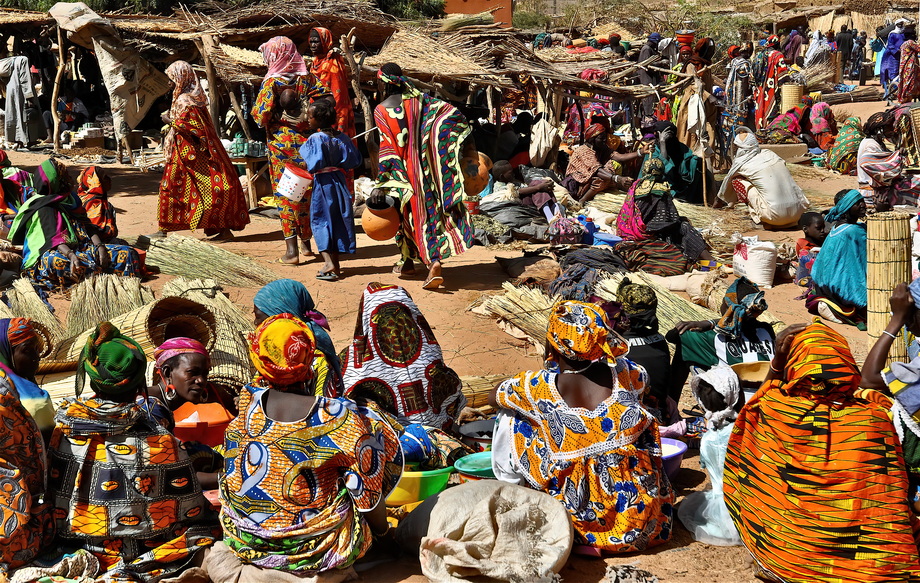
Nomenclature and Dual Identity
The origin of their different names reflects the nature of their relationship with neighboring groups:
- Bella / Bellah: This is an exonym of Songhai origin. It is the most widely used term officially and by human rights organizations.
- Ikelan (or Iklan): This translates literally to "slave" or "servant" in the Tamasheq language. Within Tuareg society, it is used endogenously to define their caste.
- Black Tuaregs: They are often called this because they share the language, dress, and many customs of the Tuareg, despite having a clearly distinct subsaharan/Black African ethnic origin and phenotype rather than a Berber/North African one.
The Historical Caste System
Traditional Tuareg society was divided into a very rigid hierarchy where the Bella occupied the lowest stratum:
- Imajaghan: The nobles and light-skinned warriors.
- Ineslemen: The caste of religious leaders and Islamic clerics.
- Imghad: Free vassals and pastoralists.
- Inadan: Artisans and blacksmiths.
- Ikelan (Bella): Captives and domestic slaves historically obtained through trans-Saharan trade routes or raids. This status of servitude was inherited through the maternal line.

Economy
Unlike the purely nomadic Tuareg, most Bella communities evolved toward a sedentary or semi-sedentary lifestyle:
- Agriculture: They act as the "farmers" of the desert, cultivating cereals in oases or flood-prone seasonal river valleys.
- Livestock: They manage and herd livestock (camels, goats, and cattle) belonging to both themselves and their former Tuareg masters.
Hereditary Slavery and the Situation in Burkina Faso
Although slavery is officially prohibited by law in both Mali and Burkina Faso, traditional structures continue to operate in practice:
- Unpaid Labor: Many Bella continue to perform domestic and agricultural tasks for Tuareg families without receiving a wage, bound by historical debts or psychological and economic dependence.
- Impact on Refugee Camps: Escalating violence in northern Mali has displaced thousands of people into Burkina Faso. In refugee camps such as Mentao or Goudebou, documentation shows that dynamics of servitude persist even among displaced populations. Bella children are sometimes forced to accept a destiny of serving Tuareg leaders within the camps.
Activism and Political Representation
In recent decades, an emancipation movement has emerged:
- Organizations like the Malian Association for the Preservation of Bellah Culture (AMPCB) collaborate with international entities such as the Unrepresented Nations and Peoples Organization (UNPO).
- They denounce their institutional "invisibility" because they are rarely registered formally as an independent ethnic group in national census data across Sahelian governments, which excludes them from development funds and political decision-making.
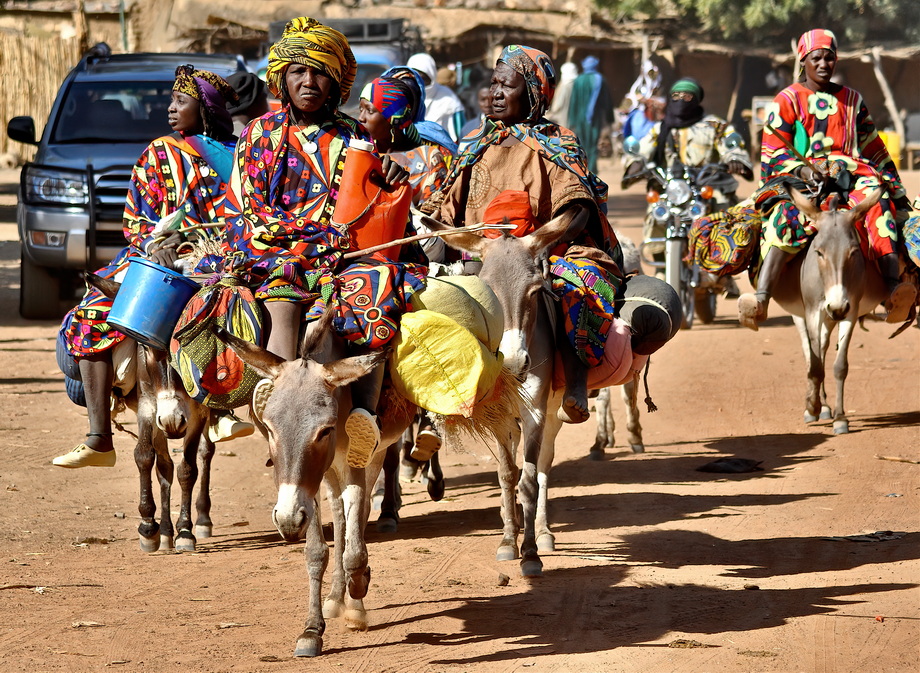
Bella Music
Bella music and art are fundamental expressions of their identity. They serve as tools for social liberation and historical preservation. While sharing elements with the Tuareg and Songhai, they have developed a highly distinct style
Bella music is deeply rhythmic, communal, and tied to daily labor or celebrations.
- Polyrhythms and Hand-clapping: The core of their music does not rely on large drums, but rather on complex hand-clapping patterns combined with rhythmic foot-stamping. Created collectively, these rhythms accompany call-and-response songs.
- Unique Vocal Techniques: They use intense guttural chanting and high-pitched vocal modulations that pierce the air. These serve both for communication in open spaces and for expressing deep emotions of joy or lament.
- The Anzad (or Imzad): This is a single-stringed violin made from half a gourd, goatskin, and horsehair. Although it is an instrument shared with the Tuareg (where traditionally only noble women play it), the Bella have adapted its use to narrate their own stories of resilience.
- Ilkan Dance: Bella dances are known for their physical energy. They feature high leaps, rotational torso movements, and gestures that mimic daily activities like harvesting or herding.
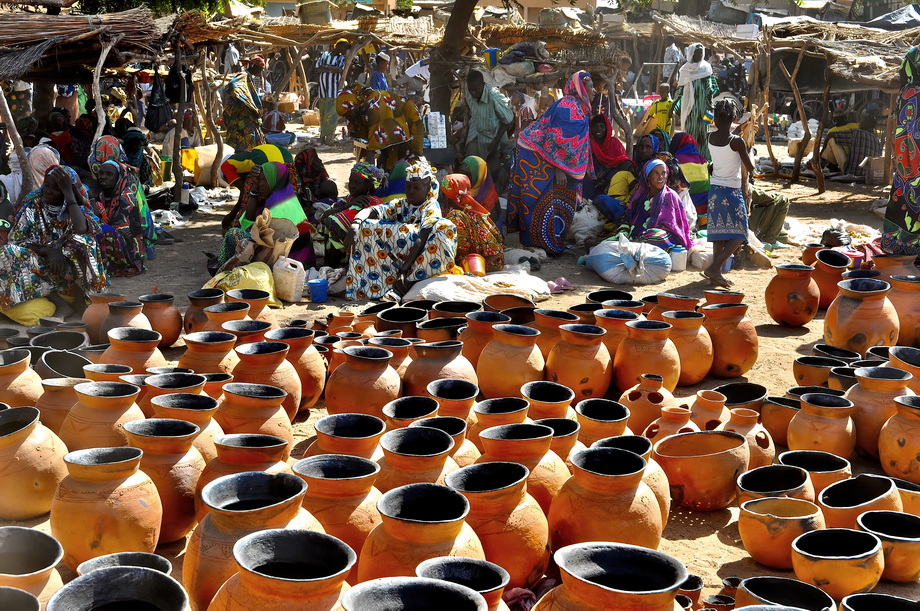
Traditional Art and Crafts
Due to their history of servitude, Bella art has expressed itself primarily through functional everyday objects, recognized for their durability and rustic beauty.
- Straw and Wicker Architecture: Unlike the camel-skin tents of the noble Tuareg, the Bella build semi-spherical huts made from woven wicker mats and reeds. The art of weaving these mats includes geometric patterns that identify each family.
- Pottery and Woodwork: They are the primary creators of heavy wooden mortars (used for grinding millet) and clay pots designed to store cool water in the desert.
- Transitional Jewelry: Because they were historically denied access to pure gold or silver (which were reserved for higher castes), Bella artisans create protective amulets using materials like leather, copper, iron, and carved bone.
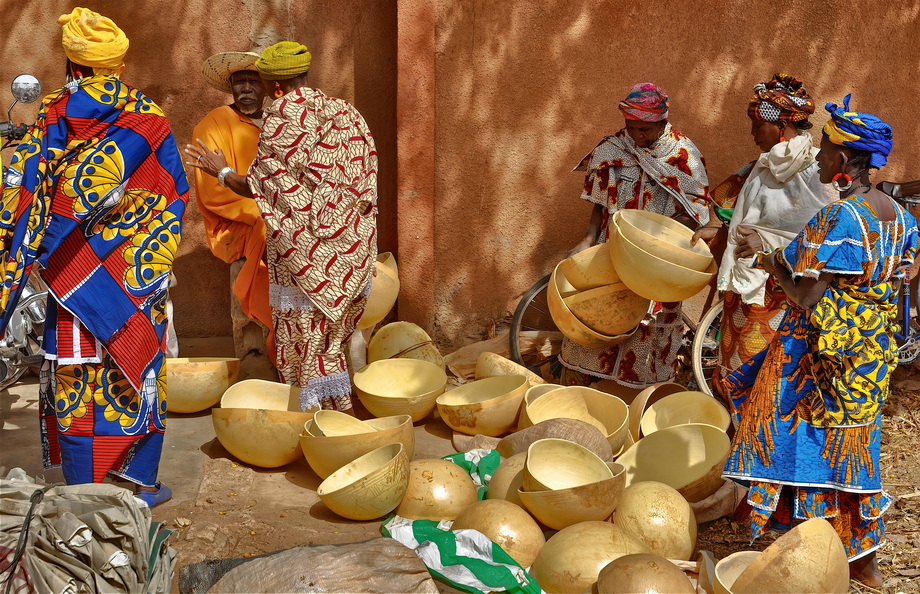
Leather amulets and protective charms
Leather amulets and protective charms, generally known in many parts of West Africa as gris-gris or asfar (in Tamasheq), play a central spiritual role in the daily life of the Bella. These objects blend ancestral animist beliefs with the Islamic faith.
Spiritual Function and Meaning.
For the Bella community, the Sahel desert is populated by invisible forces and nature spirits (known as jinn). Amulets serve as active shields:
- Personal Protection: They are used to deflect the "evil eye," protect against illnesses, prevent snake or scorpion bites, and ward off curses.
- Desert Survival: Bella herders often place specific amulets around the necks of their most valuable livestock to protect the animals from predators or theft.
- Healthcare: It is very common to see Bella infants and young children wearing leather cords around their waists or wrists to protect them from fevers and evil spirits.
Design, Materials, and Crafting.
The creation of an amulet is a secret and sacred process that unites the religious leader or healer (marabout) and the leather artisan.
- The Sacred Content: The marabout writes selected verses from the Quran, secret prayers, or mystical geometric symbols on a small piece of paper. This paper is tightly rolled.
- The Leather Wrapping: The Bella artisan takes the prayer paper and wraps it hermetically inside a pouch made of braided goat or camel leather. It is stitched with such precision that the interior is completely protected from water and desert sand.
- Geometric Shapes: The amulets usually take the form of squares, rectangles, or small triangles. They are worn hanging from the neck, tied to the right arm, integrated into traditional hairstyles, or sewn directly onto clothing.
Differences with High Castes.
Unlike noble Tuareg leaders, who historically wore rich amulet cases made of silver finely engraved by the blacksmith caste (Inadan), the Bella specialized in pure leatherwork.
This made their amulets visually simpler, but highly valued for their durability and the complex knots they used, turning the leather design itself into a symbol of artistry and resilience.
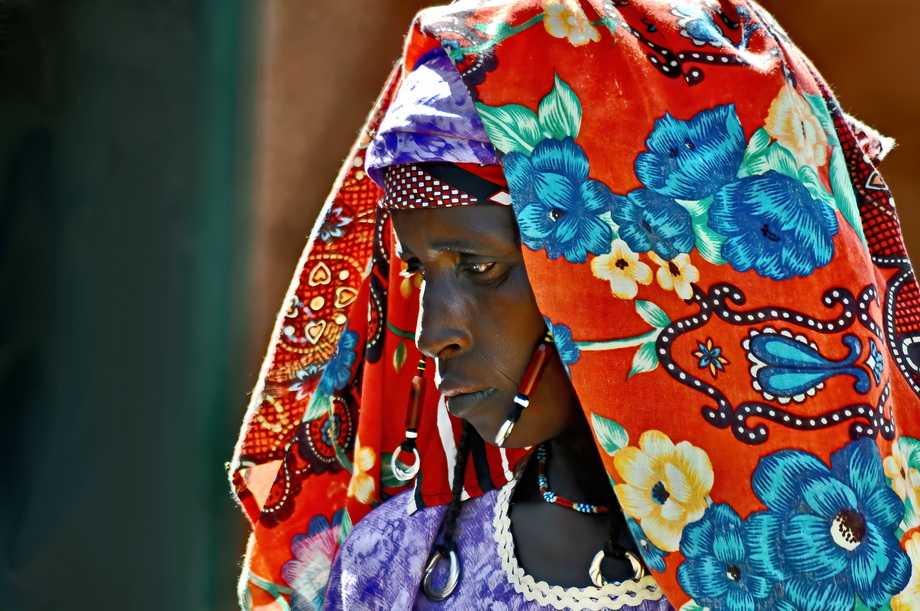
The Meaning of Geometric Patterns on Leather
Bella artisans do not choose shapes and lines at random. Each engraving or braided pattern has a specific cosmological and protective purpose:
- The Triangle (Taneskert): Represents the trinity of life or the tip of a spear. It is actively used to block negative energies or jealous looks, acting as a lightning rod against bad luck.
- The Square and the Grid (Asar): Symbolize stability, the structure of the home, and the four cardinal points. It helps herders keep their bearings in the middle of sandstorms and avoid getting lost in the desert.
- Parallel and Zig-zag Lines: Represent the path of water (seasonal rivers or Sahelian creeks) and the tracks of livestock. These are direct symbols of prosperity, fertility, and abundance of resources.
Complex Knots: A closed knot is not just decoration. It symbolically "binds" and permanently locks away evil so it can neither escape nor touch the wearer of the amulet.
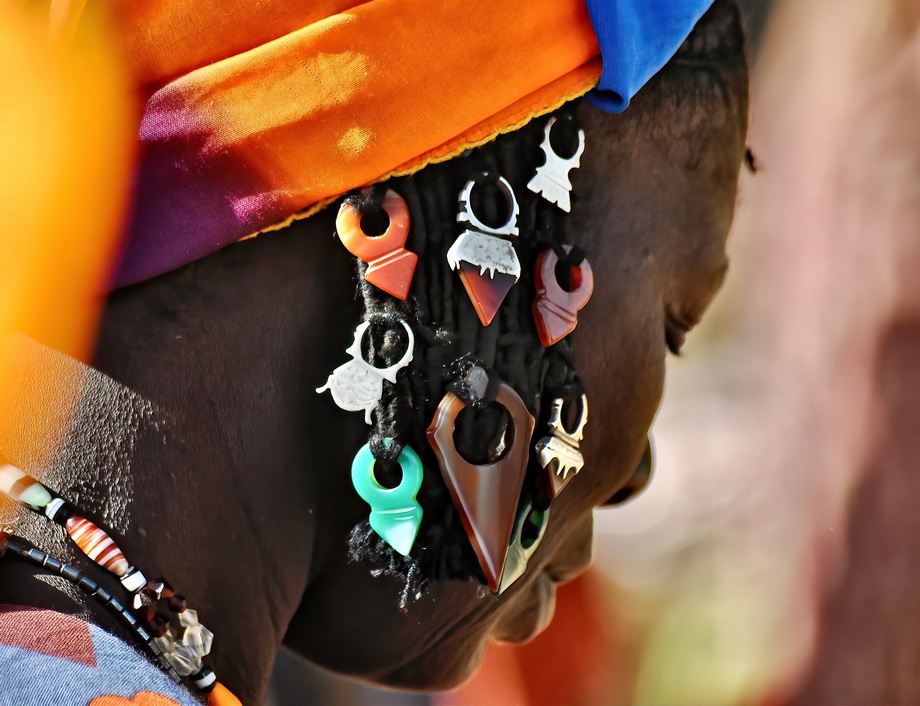
The Marabouts: The Bridge Between Islam and Animism
The marabout is the Islamic spiritual leader and community healer. Their figure is crucial because Bella culture deeply respects Islam while keeping intact their ancestral fear of desert spirits (jinn):
- Ink Preparation: To write the prayers for the amulet, the marabout often uses a special ink made from charcoal extracted from sacred woods mixed with purified water.
- Numerology (Khaytam): Many of these papers do not contain readable text, but rather magic numerical squares where the sum of the rows and columns results in sacred numbers related to the 99 names of Allah.
Activating the Object: Before the leather is sealed, the marabout recites prayers and blows gently over the paper. This act is believed to transfer baraka (divine blessing or energy) directly into the amulet.
The Impact on Marabouts and Mysticism.
The religious syncretism that defines the Bella—blending Islam with animist beliefs—is under direct attack from extremism:
- Persecution of Traditional Marabouts: Jihadist groups consider the creation of leather amulets (gris-gris), the use of numerology, and the worship of desert spirits (jinn) to be heretical practices (shirk). Many traditional marabouts and healers have been assassinated or forced to flee for refusing to stop making their protective charms.
- The Loss of Baraka: With the destruction of these spiritual protection structures, many young people in the community are experiencing a disconnection from their ancestral cosmology, swapping traditional amulets for the raw logic of armed survival.

Facial Markings and Scarification (Eshil)
Unlike leather amulets that can be removed, facial markings are a permanent shield against evil and an undeniable map of social identity engraved on the body.
- Lineage Identification: Vertical or horizontal scarifications on the cheeks or near the temples immediately indicate which clan or family a person belongs to within the Bella community. This is crucial for rapid recognition in nomadic and pastoralist societies.
- Health Protection Lines: Small medicinal or ritual cuts are made at birth or during early childhood. These markings are believed to draw out "bad blood" and protect the infant against Sahelian fevers, blindness, and evil childhood spirits.
- The Spear Pattern: Incisions mimicking the geometric shape of an arrow or spear are often made near the eyes. Their purpose is to act as a permanent barrier that "blinds" the evil eye of envious people before it can harm the individual.

Gum Tattooing and Facial Tattoos (Tiki)
In addition to cheek incisions, Bella women use traditional tattooing techniques on the face and hands for both aesthetic and magical purposes:
- Darkening of Gums and Lips (Tiggal): Using fine needles and charcoal powder mixed with fat, the gums and lower lips are tattooed a deep blue or black. Beyond being a classic standard of beauty in the Sahel, this dark color is believed to act as a spiritual barrier that prevents malicious words or spirits from entering through the mouth.
- Geometry on the Hands: The same zig-zag patterns (water paths) and grids seen on leather are sometimes tattooed onto women's fingers and wrists. This ensures that manual labor, cooking, or milking livestock is blessed with baraka (abundance).

The Spatial Layout of the Camp (Lgaba)
The layout of a Bella settlement is far from random; it is highly strategic, designed for desert survival and based around extended family structures:
- The Family Circle (Ena): Woven wicker huts are arranged in a semicircle or closed ring. At night, livestock is brought into the center of this ring to safeguard them from predators or theft. Each ring typically belongs to an extended family unit.
- The Matriarchal Home: Within Bella society, the wicker hut belongs entirely to the woman. She is responsible for building it with the help of her female relatives. When a man marries, he moves into his wife’s established space.
- The Assembly Space (Asahar): Situated in the center of the village, often beneath the largest acacia tree, lies the meeting area for men and elders. This is where political decisions are made, local disputes are settled, and the traditional tea ritual is conducted.
Mobile Architecture: The Bella Hut vs. the Tuareg Tent
While noble Tuaregs historically used large tents made of stitched camel or goat leather, the Bella developed an architecture based entirely on plant-based materials:
- The Reed Framework: They build a semi-spherical or dome-shaped skeleton using flexible acacia branches or reeds gathered near seasonal Sahelian riverbeds.
- The Mat Covering: This framework is completely covered with large mats made of wicker, desert straw, or chopped and dried fronds from the doum palm tree.
- Perfect Thermal Insulation: This design is a direct response to the extreme desert climate. The wicker mats allow air to circulate freely during hot nights, but they expand with morning moisture, protecting the interior from sandstorms and the rare but torrential desert rains.
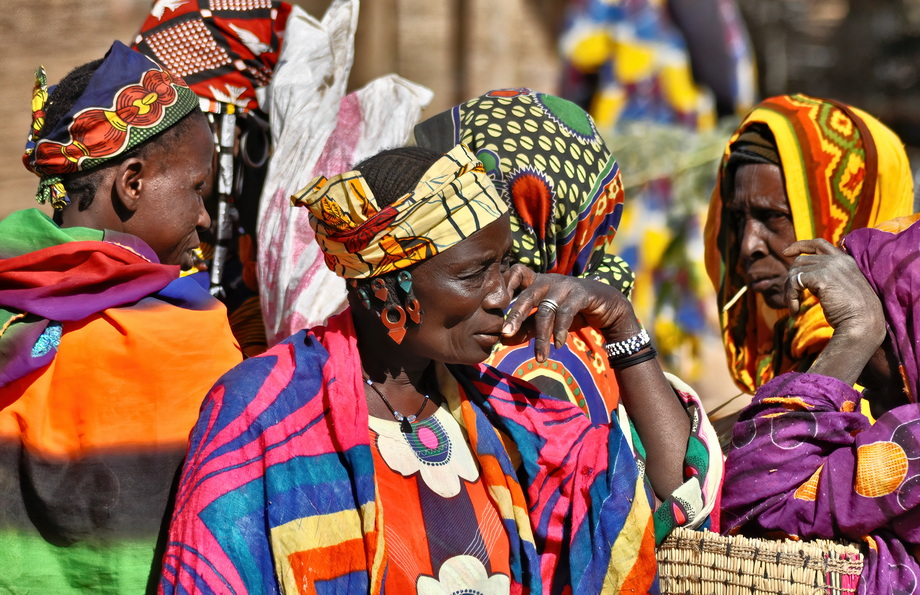
The Art of Weaving and Family Codes
Weaving these mats is a collective task performed exclusively by the women of the community. It is not just functional labor, but one of their richest artistic expressions:
- Natural Dyeing: Before weaving, women dye some of the wicker strips using natural pigments extracted from tree bark, roots, or minerals, creating reddish, black, and yellow tones.
- Identity Geometry: During the weaving process, they interleave the colored strips to create geometric patterns of diamonds, triangles, and lines. Each design tells a story: it can indicate the family's lineage, the marital status of the woman who wove it, or serve as a symbol of spiritual protection for the household.
- A Medium of Exchange: These mats are so durable and highly valued that Bella women frequently use them as a commodity in local Sahelian markets to trade for grains, salt, or fabrics.

Hairstyles as a Visual Social Map
In Bella society, hair is never left loose or styled at random. The specific way hair is braided serves as an instant visual code that any member of the community can read:
- Marital Status: Young unmarried girls wear distinctly different braiding patterns compared to married women. When a woman marries, her hairstyle changes radically during the ceremony to signal her new status within the community.
- Age and Maturity: Young girls receive simple hairstyles with only a few braids near their ears. As they undergo transition rituals into adulthood, the structure of the braids becomes significantly more complex, elaborate, and elevated.
Geometry and Hair Architecture.
The traditional hairstyles of Bella women are true masterpieces of geometric art that mirror the shapes found in their local crafts and architecture:
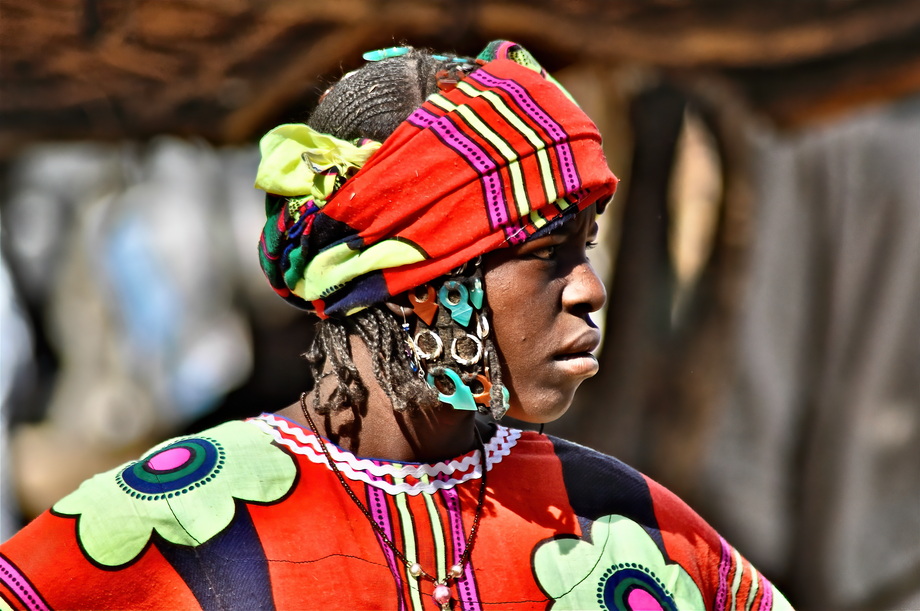
- The Central Crest (The Dome): One of the most iconic hairstyles involves creating a large, elevated central braid that runs across the head from the forehead to the nape of the neck. This curved silhouette directly mimics the dome shape of their woven wicker huts.
- Weighted Hanging Braids: Small sections of hair are braided to fall directly over the cheeks and the sides of the face. At the ends of these braids, artisans frequently attach small carved wooden beads, cowrie shells, or copper rings to add weight and keep the braided lines perfectly straight.
- Protective Symmetry: The scalp is meticulously divided into perfect square or triangular sections before braiding begins. Just like the patterns on their leather amulets, this geometric symmetry is believed to maintain the balance of the soul and repel the evil eye from entering through the temples.

The Sacred Value of Cowrie Shells
Cowrie shells (monetaria moneta) are a universal symbol across West Africa, but for Bella women, they carry a deeply rooted protective meaning during marriage:
- Symbol of Fertility: Due to their inherent shape, cowries are directly associated with femininity, the generation of life, and the protection of the womb. In bridal jewelry, they are used to ensure the new marriage is blessed with children.
- Historical Currency: Because cowries were used for centuries as money throughout the Sahel, embedding them into wedding ornaments is also a display of wealth, prosperity, and the economic value the bride brings to her new home.
- Shield Against Envy: The natural white sheen of the shells is believed to absorb jealous looks during public wedding ceremonies, preventing bad spirits from breaking the couple's happiness.
Transitional Metals and Bridal Adornments
Historically, Tuareg caste laws prohibited the Bella from accessing pure gold and silver. Consequently, artisans had to hone their skills by creating unique pieces using alternative materials:
- Copper and Brass Work: Bella wedding jewelry stands out due to large bracelets and headbands made of hammered copper or embossed brass. Once polished, these pieces gleam with intense golden tones.
- The Weight of Tradition: Bella brides wear heavy anklets made of carved iron or bronze. The physical weight of these pieces is not just aesthetic; it symbolically represents the woman's serious commitment to keeping her feet firmly grounded and caring for her new family.
- The Wedding Headband (Khoma): This is a band of black leather symmetrically decorated with dozens of stitched cowrie shells and small shiny metal plates. It is tied around the bride's forehead, blending seamlessly with her complex geometric hairstyles.
Traditional Diet and Culinary Customs in the Sahel Desert
Survival in the harsh Sahel environment requires a practical, high-energy diet based on local grains and livestock:
- Millet and Sorghum: These drought-resistant grains form the absolute base of the Bella diet. Women spend hours using heavy wooden mortars to grind the grain into flour. This flour is cooked into a thick porridge called tô, eaten with sauces made from local leaves (like baobab) and dried fish.
- Dairy Dependence: As pastoralists, dairy is crucial. The Bella consume sour milk (lait caillé) and use it to make a rustic, hard cheese that can be preserved for long periods during long desert journeys.
- The Tea Ritual: Adopted from their nomadic neighbors, the preparation of strong, sweet green tea (served in three distinct rounds) is a vital social ritual used to welcome guests and structure community meetings.
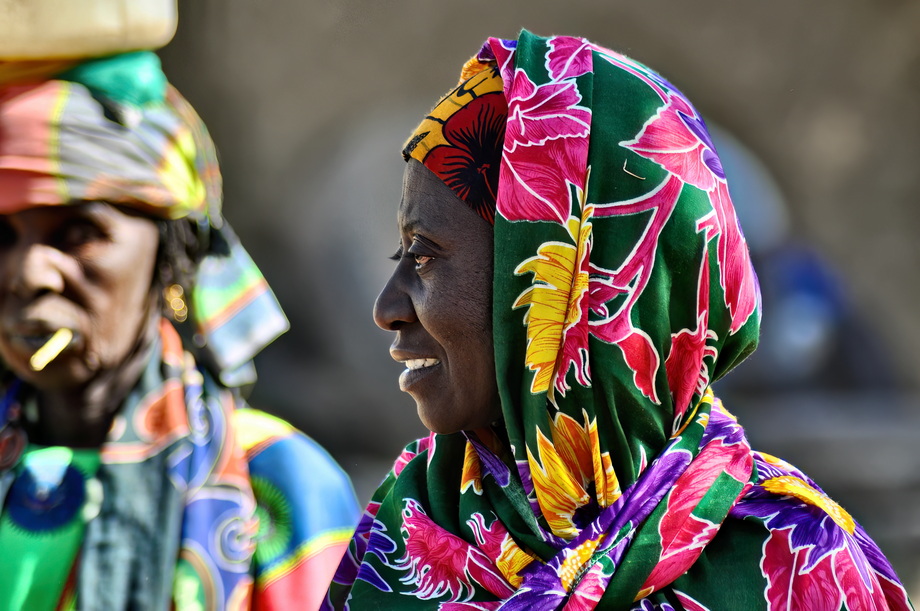
The Structure of a Traditional Bella Wedding Ceremony
A traditional wedding is a multi-day event that cements alliances between families, deeply rooted in community support:
- The Negotiation (Le Mariage Coutumier): Before the celebration, elders from both families meet. The groom’s family offers a symbolic dowry (dot), which historically consisted of livestock (goats or cattle), grains, and fabrics rather than money.
- The Purification of the Bride: On the eve of the wedding, the bride is isolated. Older women braid her hair into the complex geometric shapes mentioned earlier, apply henna to her hands, and perform the tiggal (darkening of the lips/gums) for spiritual protection.
- The Public Unveiling: The bride is covered in dark fabrics and wears the Khoma (cowrie-shell leather headband). She is paraded through the village or camp to her new home, accompanied by women chanting ancestral songs to drive away bad luck.

Youth dances during marital celebrations
Weddings are the primary social arena for young Bella to display their physical strength, grace, and readiness for marriage:
- The Takouba Dance (Sword Dance): Young men perform energetic dances simulating battle movements. Although historically denied the right to carry noble swords, the Bella youth use wooden sticks or adapted iron tools to demonstrate their agility and bravery.
- The Ilkan Polyrhythmic Dance: Young women form a semi-circle, creating a massive wall of sound through rapid, complex hand-clapping. Young men step into the center one by one, executing high vertical leaps and rhythmic foot-stamping to impress the crowd.
- Call-and-Response Flirtation: The songs performed during these dances are highly improvisational. The youth use wordplay to tease one another, express romantic interest, and honor the newlywed couple.
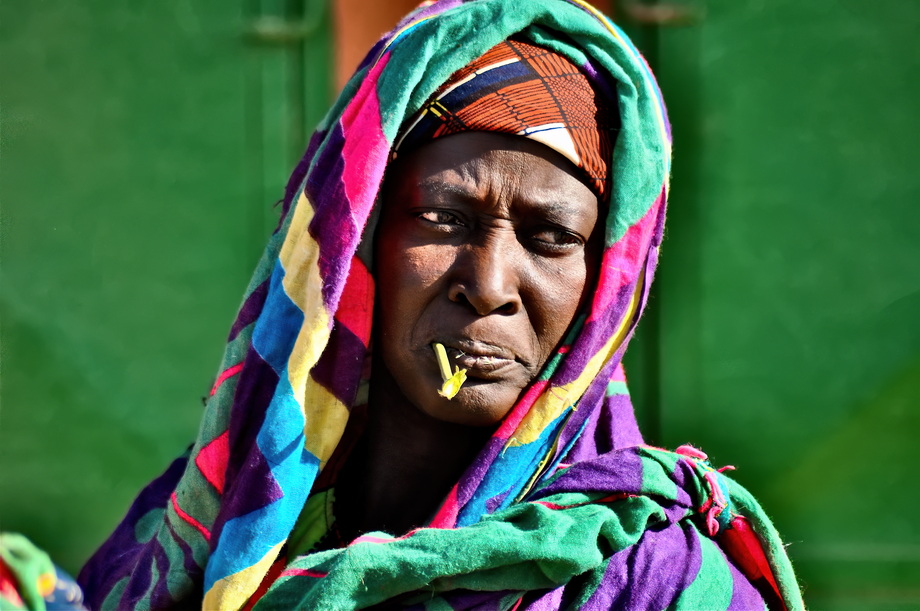
Managing Survival Resources
Daily life in the Sahel demands a strict division of labor to maximize the efficiency of scarce water and food resources:
- The Well as a Social Hub: The location of the entire camp depends completely on its proximity to a deep well or a seasonal water source (mare). Women and children spend much of their mornings transporting water back to camp using traditional clay pots carried on their heads or loaded onto donkeys.
- Communal Farming Plots: Around the outskirts of the settlement, the Bella clear small plots of sandy soil to collectively cultivate millet and sorghum. Men prepare the earth before the arrival of the rains, and the entire community unites for the harvest.
- Daytime Herding: At dawn, young men and children leave the perimeter of the camp to take the herds of goats and camels out to find dry pastures. They navigate by desert tracks and signs, returning safely just before sunset.
Forced Displacement and the Loss of Cultural Identity
The violence in Mali and Burkina Faso, led by groups linked to Al-Qaeda and the Islamic State, has forced thousands of Bella people to abandon their ancestral territories:
- The Abandonment of Artisan Workshops: When fleeing attacks on their villages, leather artisans lose their tools, materials, and access to hides. Without active local markets, the chain of transmitting the craft from parents to children has suddenly broken.
- The End of Ritual Scarification: In the refugee camps of Burkina Faso or in the large cities where they are forced to displace (such as Bamako or Ouagadougou), traditional facial markings are no longer practiced. Younger Bella avoid getting them out of fear of being stigmatized, easily identified by rival factions, or associated with a specific ethnic group amid the conflict.
- The Radical Ban on Music: Jihadist factions controlling some rural zones of the Sahel impose an ultraconservasive interpretation of Sharia law. They have completely banned folk music, singing, and traditional dances like the Ilkan dance. This has resulted in the persecution and silencing of community musicians.


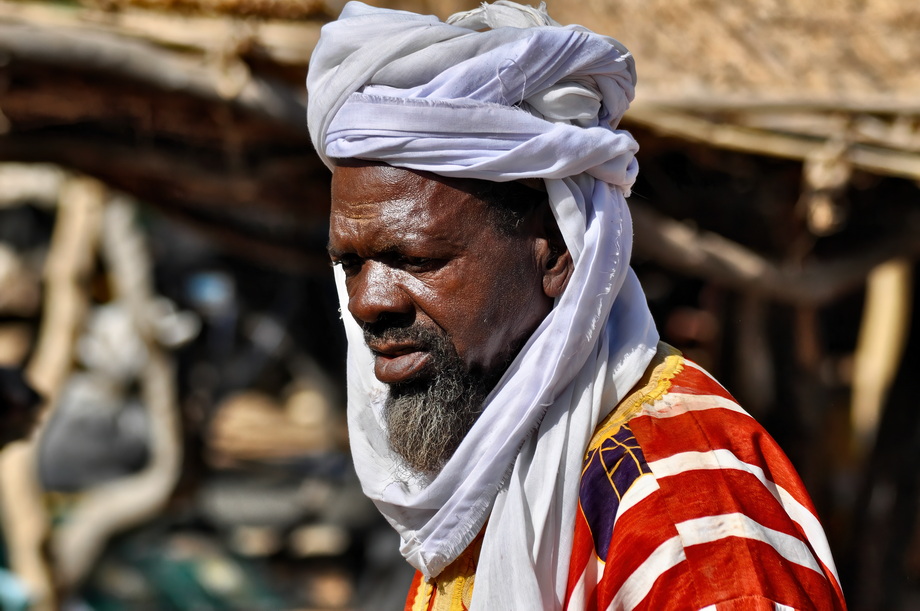
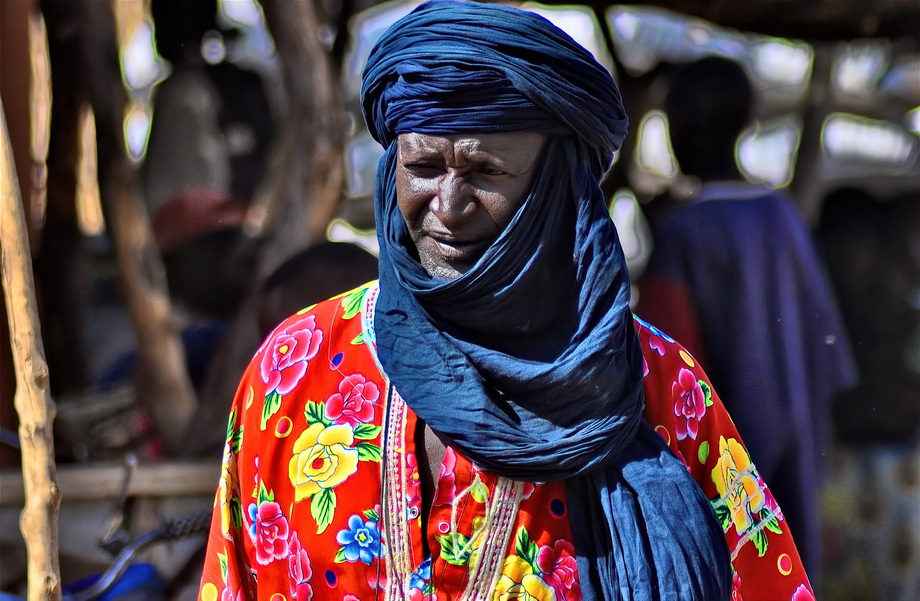
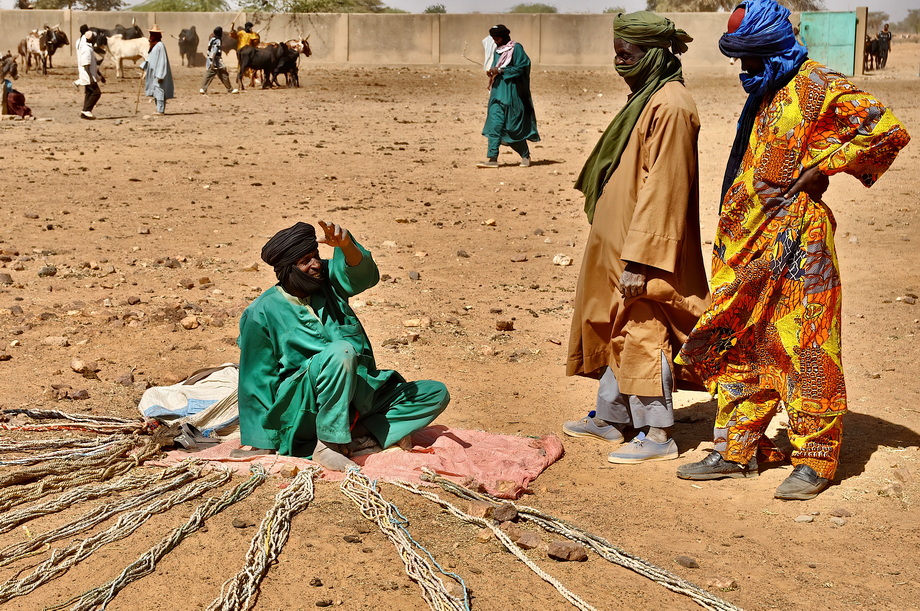
Sources:
- Photo: © Viktor Cerny / Niger & Sylvia Furrer & Holger Hoffmann / Burkina Faso 2009
- James S. Olson (Peoples of Africa)
- Daniel M. McFarland. Historical Dictionary of Upper Volta. 1978.
- unpo.org
- fr.wikipedia.org
- mishahussain.com

